
Citizen Services Portal
Provide a digital portal for applications, requests, status checks, certificates, notices, payments and service information.

Digitize public services, citizen applications, departmental workflows, approvals, payments and grievance handling through secure e-governance platforms built for traceable public service delivery.
Clio develops e-governance platforms for government departments, public-sector bodies, municipal authorities and institutions that need citizen-facing portals, internal workflow control, service tracking, document handling, payments, dashboards and audit-ready records.
Create digital entry points for applications, requests, certificates, grievances, payments, updates and service tracking.
Route applications, approvals, inspections, reviews and escalations through defined role-based workflows.
Give administrators, officers and authorized teams clearer views of service status, pending work, exceptions and response timelines.
E-Governance Platform Modules
An e-governance platform should connect public requests, department actions, documents, payments, approvals and service updates without forcing teams to depend on scattered files or manual follow-ups.

Provide a digital portal for applications, requests, status checks, certificates, notices, payments and service information.
Capture complaints, assign departments, track resolution stages, manage escalations and maintain response history.
Move forms, documents, reviews, inspections, approvals and rejections through controlled department workflows.
Store applications, certificates, proofs, attachments, notices, approvals and official records in structured formats.
Support fee collection, payment references, receipts, transaction status and reconciliation inputs for public services.
Show service volumes, pending cases, department workload, timelines, exceptions, payment status and officer-level activity.
Governance Operating Areas
Public-service platforms need dependable records, clear roles, accountable action trails, secure access and simple citizen experiences across office, portal, mobile and field-level interactions.
Capture applications, complaints, service requests, form submissions, supporting documents and communication history.
Assign requests to departments, officers, service desks, inspection teams or review authorities.
Manage approval chains, review remarks, escalations, reassignments, rejections and closure actions.
Enable field-level updates, inspection notes, evidence capture, visit records and mobile activity where required.
Maintain logs for submissions, edits, approvals, payments, escalations, officer actions and citizen updates.
Create views for service timelines, department performance, case ageing, workload distribution and pending action.
E-Governance Readiness
Before the platform takes shape, Clio studies the service catalogue, citizen journeys, officer roles, document rules, payment needs, approval paths, reporting formats and integration points the platform must support.
List the public services, applications, requests, certificates, complaints or payments that need digital handling.
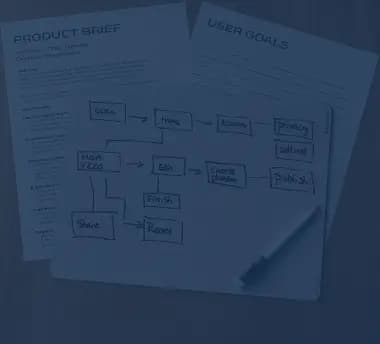
Clarify citizen, officer, department, supervisor, administrator and reviewer permissions.

Define how submissions, documents, verifications, inspections, approvals and escalations move through the system.

Confirm dashboards, registers, MIS reports, export formats, audit logs and service-performance views.
Platform Implementation
Implementation moves through service study, workflow mapping, module planning, integration, validation and handover so the platform reflects how public services are actually processed.
Step 1
Service Study
Understand citizen services, department processes, forms, documents, fees, approvals and current operating gaps.
Step 2
Workflow Mapping
Define user roles, routing rules, status stages, document checks, escalation paths and reporting outputs.
Step 3
Module Planning
Plan the citizen portal, officer console, admin dashboard, grievance flow, payment layer and records structure.
Step 4
Platform Validation
Check forms, workflows, permissions, payments, notifications, reports, logs and exception cases before rollout.
Step 5
Operating Handover
Share role references, workflow logic, platform notes, dashboard details and maintenance inputs with the relevant team.

Technology Stack
E-governance platforms may involve portals, databases, APIs, dashboards, document storage, payment integrations, notification systems, mobile access and role-based controls depending on the public-service model.

Why Clio
Clio looks at citizen journeys, officer workflows, department routing, documents, payments, integrations and audit trails together so the platform supports accountable service delivery, not just digital submission.
The platform is shaped around how requests move between citizens, service desks, officers, departments and reviewers.
Citizen-facing screens and officer consoles are planned together so public access and department action stay connected.
Payment systems, notification tools, document stores, databases and existing government systems can be considered early in the platform plan.
Submissions, edits, payments, approvals, escalations and closures are included in the action trail.

Solution Tracks
Use Clio to plan and implement e-governance platforms for citizen services, grievance handling, approvals, payments, document workflows or department-level service monitoring.
An e-governance platform is a digital system that helps government departments or public bodies manage citizen services, applications, documents, approvals, payments, grievances, dashboards and official records.
E-governance platforms are used by government departments, municipal bodies, public-sector organizations, institutions, authorities and agencies that manage public services or regulated workflows.
Common modules include citizen service portals, grievance management, application workflows, document management, payment collection, officer dashboards, MIS reports, notifications and audit logs.
A normal website mainly shares information. An e-governance platform manages service requests, user roles, forms, documents, approvals, payments, status tracking, reports and official action history.
Yes. It can capture grievances, assign cases, track response stages, manage escalations, notify users and maintain resolution history.
Yes. It can connect with payment gateways, databases, document repositories, notification tools, internal portals and other approved systems through planned APIs or integration layers.
Yes. The platform can support field officer updates, inspection notes, mobile access, evidence capture, location-based entries or visit records where the operating model requires it.
Cost and timeline depend on the number of services, workflows, user roles, integrations, documents, payment needs, dashboards, security requirements, field features and validation depth.

Share your citizen service flow, grievance process, approval workflow, payment requirement, field operation or public-service dashboard need with Clio.