
Operational Software Systems
Build software for specialised business activity that requires a defined process and clear user responsibility.


When standard software cannot support the way your organisation works, Clio develops purpose-built systems for the workflows, users and information your business relies on.
Development Scope
From internal operating systems to reporting platforms, Clio develops software that gives organisations greater control over workflows, information and digital services. Each function is planned around its purpose and the people responsible for using it.
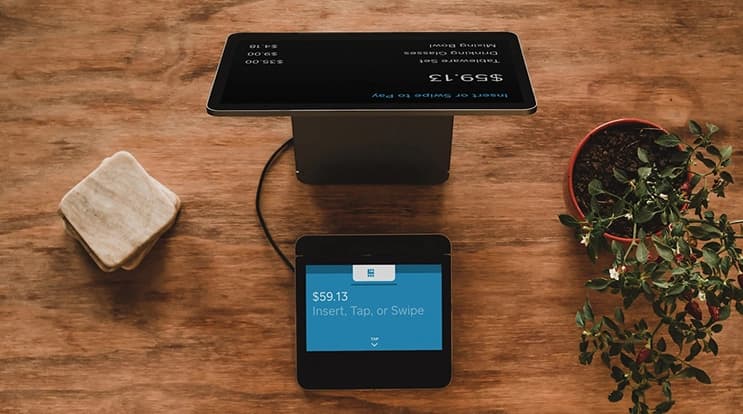
Build software for specialised business activity that requires a defined process and clear user responsibility.
Move approvals, task routing and routine actions through a process that is easier to follow.
Give users a clear way to submit information, monitor activity or view relevant reporting.
Plan new software to exchange required information with existing platforms or external services.
Organise operational data into views that help responsible teams track activity and make informed decisions.
Improve functionality or usability where a current system no longer supports the work properly.
Where It Applies
A purpose-built system can support work that depends on specific rules, decisions or information flows. Clio develops software for operational needs such as approvals, external submissions, reporting and document-led work, with each use planned around the people involved.
Manage routine business activity through software shaped around team roles, rules and responsibilities.
Move requests and decisions through defined stages with clearer tracking and accountability.
Give external users a dedicated digital channel for submissions, updates and relevant information.
Bring key activity and reporting views together for easier oversight and informed decisions.
Organise records, submissions and related actions through a defined business process.
Enable new software to exchange required information with platforms already in use.
System Considerations
A custom build must work for the people using it each day. Roles, process steps, information movement and release checks should be considered early so the software is practical to operate once it goes live.

Give authorised users the functions and information needed for their responsibilities.

Set how work moves through tasks, decisions and required actions inside the system.

Determine what information must move between the new software and existing systems.

Check agreed behaviour before launch so the software is ready for its intended use.
Web Application Development Process
Web application development begins with a user task, rather than a list of screens. Clio maps the interaction, identifies what the organisation must handle in response, then builds and reviews the platform before it goes live.
Step 1
Define the Online Task
Agree what the user needs to accomplish and what result the organisation must receive.
Step 2
Plan the Interface
Set out pages, forms, account areas and admin views required for the service.
Step 3
Build the Web App
Develop browser-facing functions and backend work included in the agreed build.
Step 4
Check Real Interactions
Review user routes, access behaviour and responsive use before release.
Step 5
Release and Improve
Put the platform into use and discuss later additions where they are required.

Technology Stack
Clio works across software development, data, cloud, commerce and testing technologies. The stack used for a custom build is selected according to its functions, integrations and delivery needs.
Why Clio
The value of a custom build lies in what it removes from daily work: repeated manual handling, missing visibility, slow approvals or systems that do not connect. Clio keeps those issues in view while defining what the software should do and where further complexity is unnecessary.
Identify the process, handoff or information gap the new software needs to fix.
Design functions around the tasks users need to complete, check or approve.
Plan required data flows with existing platforms before they become late additions.
Add complexity only where it supports a clear operational or user requirement.
Business Contexts
Custom software is useful when a team, service or operating process has requirements that standard products do not cover well. Clio can develop systems for defined workflows across internal operations, public-facing services, fiscal processes and connected technology environments.
Support departments managing internal requests, assigned tasks, records or reporting responsibilities.
Support service interactions that require structured intake, status visibility and controlled information handling.
Support workflows tied to transaction information, reporting responsibilities or field-based activity.
Introduce software that exchanges required information with existing platforms and services.

Engagement Models
A project may involve a defined software build, added development capacity or continued support as needs change. Clio can discuss an engagement model suited to the scope and the way the work needs to be delivered.
Workarounds slow the business by increasing costs, reducing efficiency, and increasing risk.
Web portals and mobile apps that support daily service delivery and high usage.
Legacy upgrades, workflow automation, and modular rebuilds designed for long lifecycles.
Dashboards and reporting layers built for decision-making and oversight.
APIs and data exchange layers that connect departments, systems, and vendors.
Access models, traceability, and rollout readiness built into delivery.
Custom software development is the process of building software around a specific business requirement. It can support workflows, reporting, user roles or system connections that a general-purpose product does not handle in the required way.
Custom software is a better fit when ready-made tools force workarounds, miss required process rules, or cannot support the roles, reporting or integrations your teams rely on. It is most useful when the system must match a defined operating need rather than a generic product workflow.
Cost depends on the scope of functions, user roles, integrations, data handling and the level of review required before release. Clear requirements and a defined first release help keep the build focused on what the business needs to operate.
Timelines vary with complexity, the number of connected systems and how quickly requirements can be agreed. A focused first release usually moves faster than a broad build that tries to cover every future need at once.
Yes. Custom software can be planned to exchange required information with platforms already in use, such as operational systems, portals or reporting tools. Integration needs should be identified early so data flows are designed into the build.
The right stack depends on the functions required, expected users, integration needs and long-term maintenance. Clio selects technologies based on the software's purpose rather than a fixed default set.
Yes. Once the software is in use, teams can add functions, refine workflows or improve reporting based on real operating needs. A clear first release makes later improvements easier to plan and prioritise.
Clio Infotech Limited builds web platforms used in government services and institutional workflows. This includes enterprise portals, reporting dashboards that support decision-making, registries and record systems, and secure API-driven data exchange between systems. Access is structured through role-based permissions, and audit-ready logging is included for traceability. AI analytics and blockchain trust layers are applied where the program requires them.
Platform types aligned to service delivery, reporting, record integrity, and integrations.
Service portals and administrative platforms built around defined roles and workflows.
Reporting views and AI-enabled analytics where the program needs decision support.
Registry platforms designed for traceability, with tamper-proof patterns where required.
API integration and data-exchange frameworks that connect systems reliably.
Delivery shaped for programs with approvals, dependencies, and long operating lifecycles.

We map real service journeys, exceptions, and approvals before build starts.
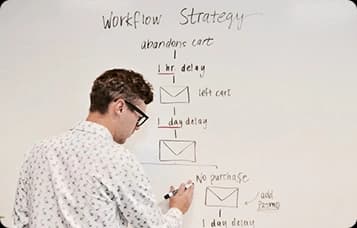
We identify dependencies, data sources, and external systems from the start.

We plan environments, deployment steps, and rollback steps before go-live.

We provide runbooks, admin notes, and transfer sessions for internal teams.

Tell us what your team needs the software to handle and what is getting in the way today. Clio can help define a focused build around that requirement.